
What Are Preserved Plants and Why They are Perfect for Modern Interiors?
I never planned to become someone who talks about preserved greenery with such enthusiasm. It happened gradually, one design challenge at a time. A lift lobby with no daylight. A boardroom that needed calm. A corridor that felt empty and lifeless. Live plants struggled, and artificial ones looked too perfect—too staged. Then I discovered preserved plants, and everything changed.
Here’s what I have learned and how they transformed the way I approach interiors.
The First Time I Saw It Work
A client once asked for a forest-like feeling—but without watering cans, maintenance contracts, or the need for sunlight. Normally, that would have sounded impossible. Instead of forcing live plants into a corner they couldn’t survive in, I created a preserved moss wall: flat moss for stillness, bun moss for texture, and preserved ferns to soften the edges.
When we turned on the lights, the wall came alive without actually being alive. There were no watering schedules, no anxious follow-ups—just natural texture and depth. That was when I realized preserved plants weren’t a compromise between live and artificial. They were a design category in their own right.
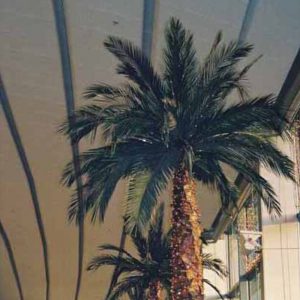
Preserved Date Palm
What ‘Preserved’ Really Means
Preserved plants start as real botanicals, treated at their best condition so they keep their color, shape, and texture. They don’t need soil, water, or sunlight. As long as they’re kept indoors and away from humidity, they maintain their look for years.
When to Use Live, Preserved, or Artificial
Each plant type has its place.
1. Live plants work beautifully where daylight and care are possible. They bring subtle movement and natural rhythm to a room.
2. Preserved plants are ideal where consistency matters—dark corners, reception areas, ceiling coves, and spaces that must always look flawless.
3. Artificial plants belong where durability matters most—in high-traffic or high-touch zones that face heat or constant use.
Many projects blend all three. Each has a role. Harmony happens when every type is used with purpose.
My Go-To Preserved Formats
1. Moss Walls That Whisper
Some spaces need softness, not spectacle. Preserved moss offers that beautifully:
a) Flat moss for smooth, steady surfaces.
b) Bun moss for rounded, tactile dimension.
c) Reindeer or lichen moss for fine texture and tone.
d) Forest moss for rich, earthy depth.
Why I love moss walls:
They need no watering, drainage, or grow lights. They are lightweight, easy to install, and provide sound-dampening qualities that make rooms feel calmer. Every wall can be customized—whether wrapping a niche, lining a corridor, or curving around an edge.
2. Bonsai and Conifers That Hold the Room
A preserved bonsai trees can anchor an intimate space like no other feature. I love using preserved junipers or compact conifers. Place one on a stone pedestal, light it subtly, and it transforms the atmosphere—quiet but commanding.
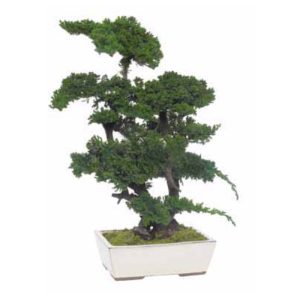
Juniper Bonsai
3. Preserved Trees for Scale Without Drama
When a room demands scale, preserved trees deliver without the complications of irrigation or sunlight. A preserved palm in an atrium, for instance, defines the lounge beneath while the sculptural trunk adds character. These installations ship easily, install cleanly, and look just as good years later.
A Framework That Keeps Me Grounded
1. Purpose first: Every zone should evoke a feeling—calm, welcome, or focus. Choose the preserved medium that supports that emotion.
2. Let architecture lead: Follow the rhythm of the structure. A staircase might inspire stepped moss panels; a curved wall might call for an arc of soft forest moss.
3. Light is a design tool: Preserved greenery doesn’t need light to live, but it does need light to shine. I use grazing light for texture, diffused washes for calm, and pin-spots for drama—always avoiding direct heat.
4. Design for longevity: This is where planning ahead makes all the difference. Preserved plants last for years when treated right. Avoid placing them in areas with direct sunlight or right under air vents, as heat or constant airflow can make them dry out faster. Keep humidity under control—too much moisture can cause fading or softening.
Finally, add gentle dusting to your regular cleaning routine so the plants stay fresh and vibrant. These simple steps ensure your preserved installations remain beautiful for a very long time.
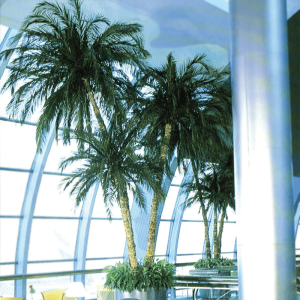
Preserved Palm
Sustainability That Feels Real
Preserved plants start as natural materials, often treated using low-toxicity and biodegradable solutions. They use less plastic than artificial options and require no water systems or replacements. Fewer leaks, fewer service calls—just quiet sustainability built into every choice.
Context Matters
Not every design idea works the same everywhere. Climate, light, and indoor conditions can change how preserved plants perform. In warm regions or air-conditioned spaces where live plants struggle, preserved greenery is often the smarter choice. For example, when people look for “preserved trees Dubai,” they usually want plants that stay fresh and natural-looking despite the heat or limited sunlight.
The main rule is simple: design with the space in mind. Think about how people move through it and how the light behaves. When you plan with these details in mind, preserved plants look natural and enhance the environment instead of feeling placed or forced.
A Few Non-Negotiables
1. Proportion defines success. Too small feels like décor; too large feels overwhelming. The right size feels natural.
2. Lighting must support the story. Poor light can flatten even the best installation.
3. Edges matter—treat every transition with care.
4. Practical care is part of design. If it’s hard to maintain, it doesn’t belong there.
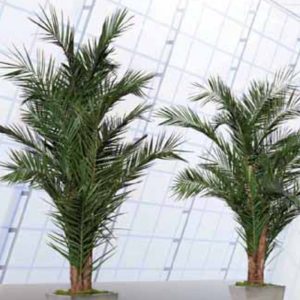
Phoenix with yuruguana trunk
Budget, Value and the Long View
Preserved plants may cost more initially than some artificial or live options. But over time, their value becomes clear—no irrigation, no pruning, and no plant loss. The space remains consistent and polished. For clients who measure results over years, preserved installations prove cost-effective and reliable.
You don’t need a large lobby to make an impact. A single moss panel near a waiting room, a preserved ribbon along a staircase, or a bonsai on a reception desk can subtly transform how a space feels. These small choices often make the biggest difference.
Lessons I Learned the Hard Way
1. Don’t overcrowd a wall—leave room for shadow and breath.
2. One striking feature beats several forgettable ones.
3. Pay attention to light temperature—neutral tones flatter greenery best.
4. Corners and finishes matter as much as the center piece.
Starting Simple
If you’re new to preserved greenery, start small. Try a moss feature in a corridor niche or a preserved bonsai in a quiet corner. Observe how it softens sound and changes the mood. As you gain confidence, scale up—perhaps a larger moss wall or preserved tree that defines a whole space.
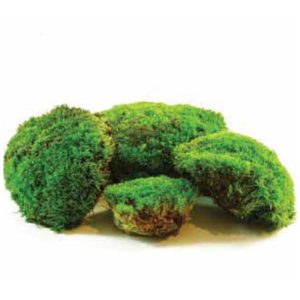
Ball Moss
Why I Keep Returning to Preserved
Design is about creating balance—a thousand small decisions that lead to one emotion: ease. Preserved plants help me bring that feeling into spaces where it once seemed impossible. They don’t replace live plants or mimic artificial ones. They stand in their own category—natural, timeless, and quietly transformative.
Maintenance and Care for Preserved Plant Owners by Siji
If you are confused about where to go for a premium preserved plant installation service, Siji Greenhouse is your answer. Siji Greenhouse offers professional maintenance services for preserved plant installations, ensuring lasting beauty and trouble-free ownership. They have a dedicated and highly experienced maintenance team, led by experts with over a decade of field experience. Services include routine site surveys, care schedules tailored to original design conditions, and free plant replacement if necessary. With streamlined supervision, skilled teams will maintain your preserved plant landscapes, providing efficient service, open communication, and rapid response for any client needs.
Conclusion: Why Preserved Plants Belong in Modern Interiors
Preserved plants are a design breakthrough that elegantly blend the best features of nature with practical ease. They provide lasting beauty and character to any space, bringing natural texture, colour, and calming presence where live plants can’t thrive and artificial ones fall short. Thanks to their real origins and advanced preservation process, these plants require no sunlight, soil, or watering, so maintenance is minimal and longevity is assured. Designers gain creative freedom to install moss walls, sculptural bonsai, or statement trees, customising each project for mood, proportion, and architecture. With professional guidance and expert care from providers like Siji Greenhouse, preserved plant installations remain consistently flawless and cost-effective for years, making them the sustainable, reliable choice for modern interiors.
