
Indoor Landscaping Ideas for Reception Areas and Lobbies
Reception areas do more than welcome visitors. They set expectations, manage flow and influence how people feel within the first few minutes of arrival. As these spaces become busier and more multifunctional, design choices have started to play a more active role.
Indoor landscaping is now used as a planning tool rather than a decorative layer. When placed with intent, greenery can signal where to wait, where to walk, and where to pause. It helps large interiors feel organized without relying on signage or physical barriers. This shift has made indoor landscaping a practical part of reception design across offices, hotels, clinics and commercial buildings.
With this approach in mind, the ideas below show how greenery can be used in simple, intentional ways across reception spaces.
1. Statement Plants That Anchor the Space
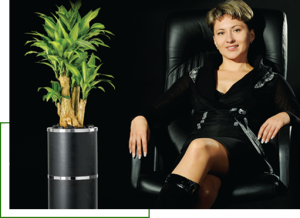
Large, floor-standing plants help give structure to open lobbies. They work especially well in spaces with high ceilings or wide waiting zones where furniture alone feels insufficient.
Ideas that work well:
1. Tall palms or rubber plants placed in corners to soften sharp edges
2. Fiddle leaf figs near seating areas to balance solid furniture
3. Slim planters beside reception desks to frame the counter without blocking movement.
The key is scale. One well-placed large plant often works better than several small ones scattered around
2. Layered Plant Groupings Instead of Single Pots
When a space calls for more than a single feature plant, layered groupings offer a structured way to add volume without visual clutter. Grouping plants at different heights creates depth and movement, making the space feel more natural and less staged.
A simple way to approach this:
1. Combine tall plants with medium shrubs and low ground plants
2. Use planters of different heights with similar finishes
3. Keep the color palette controlled
This works particularly well near lounge seating, lift waiting areas or long corridor-style lobbies.
3. Preserved Green Walls as Feature Elements
In reception areas where natural light is limited or maintenance access is restricted, Preserved Green walls offer a practical alternative. Made from real plants that no longer require water or sunlight, these installations retain their texture and colour for years.
Preserved grass and moss walls:
1. Perform well in air-conditioned interiors
2. Help soften sound in busy reception zones
3. Add greenery where live plants may struggle
Rather than covering multiple walls, using one preserved green wall behind a reception desk or seating area keeps the design balanced. Live plants placed elsewhere add contrast and visual freshness. This approach aligns well with modern indoor solutions offered by specialist providers such as Siji Greenhouse, where preserved greenery is designed to blend seamlessly with live planting.
4. Desk-Level and Countertop Greenery
Reception desks often feel rigid due to straight lines and solid surfaces. Introducing greenery at desk level softens the visual impact without affecting daily operations.
Good options include:
1. Compact plants in slim planters
2. Low-profile greenery along the front edge of counters
3. Built-in planter strips within custom desk designs
This works best when planting is minimal and consistently maintained.
5. Hanging and Suspended Greenery
When floor space is limited, hanging plants provide a way to introduce greenery without disrupting circulation.
They work particularly well:
1. Above waiting areas
2. Near glass walls or windows
3. In double-height lobbies where vertical space feels underused
Trailing plants or structured hanging systems add softness while keeping layouts clean and open.
6. Green Dividers Instead of Solid Partitions
Plants can also be used to organize space. Instead of solid partitions, green dividers guide movement while maintaining openness.
Common applications include:
1. Planter boxes between seating and walkways
2. Low green dividers between reception and waiting zones
3. Tall plants used to screen service areas
This approach supports flow while subtly defining zones.
7. Mixed Materials for a More Natural Look
Plants feel more intentional when paired with the right materials. Wood, stone, and neutral finishes allow greenery to stand out without dominating the space.
Effective combinations include:
1. Wooden planters for warmth
2. Greenery set against stone or textured walls
3. Neutral-toned pots that keep the focus on foliage
Highly decorative or reflective planters tend to feel out of place in busy reception environments.

8. Low-Maintenance Live Plants for Busy Spaces
Not every reception area can support high-care plants. Choosing hardy varieties helps maintain a polished look with less effort and fewer disruptions.
Reliable options include:
1. Snake plants
2. ZZ plants
3. Peace lilies
4.Dracaena varieties
These plants cope well with indoor lighting, air conditioning and irregular watering. When paired with professional indoor landscape maintenance services, they remain consistent and healthy over time.
How Do You Choose Plants That Suit the Space? A Quick Checklist
Before finalizing selections, a simple review helps avoid common issues:
1. Check natural and artificial light levels throughout the day
2. Note air conditioning strength and temperature changes
3. Observe foot traffic and movement patterns
4. Match plant size to ceiling height and floor space
5.Avoid plants with sharp edges or heavy leaf drop
This ensures landscaping remains practical, not purely decorative.
Conclusion
Biophilic landscaping is now evolving beyond simple potted plants to become a core design strategy. It focuses on natural transitions, sensory comfort and how people move through shared spaces during the day.
When indoor landscaping is planned with purpose, it supports both design and function. Reception areas feel more intuitive, balanced and welcoming. Whether managed through an experienced indoor plant company or supported by long-term maintenance planning, greenery becomes part of how the space works — quietly improving the experience for everyone who passes through.
